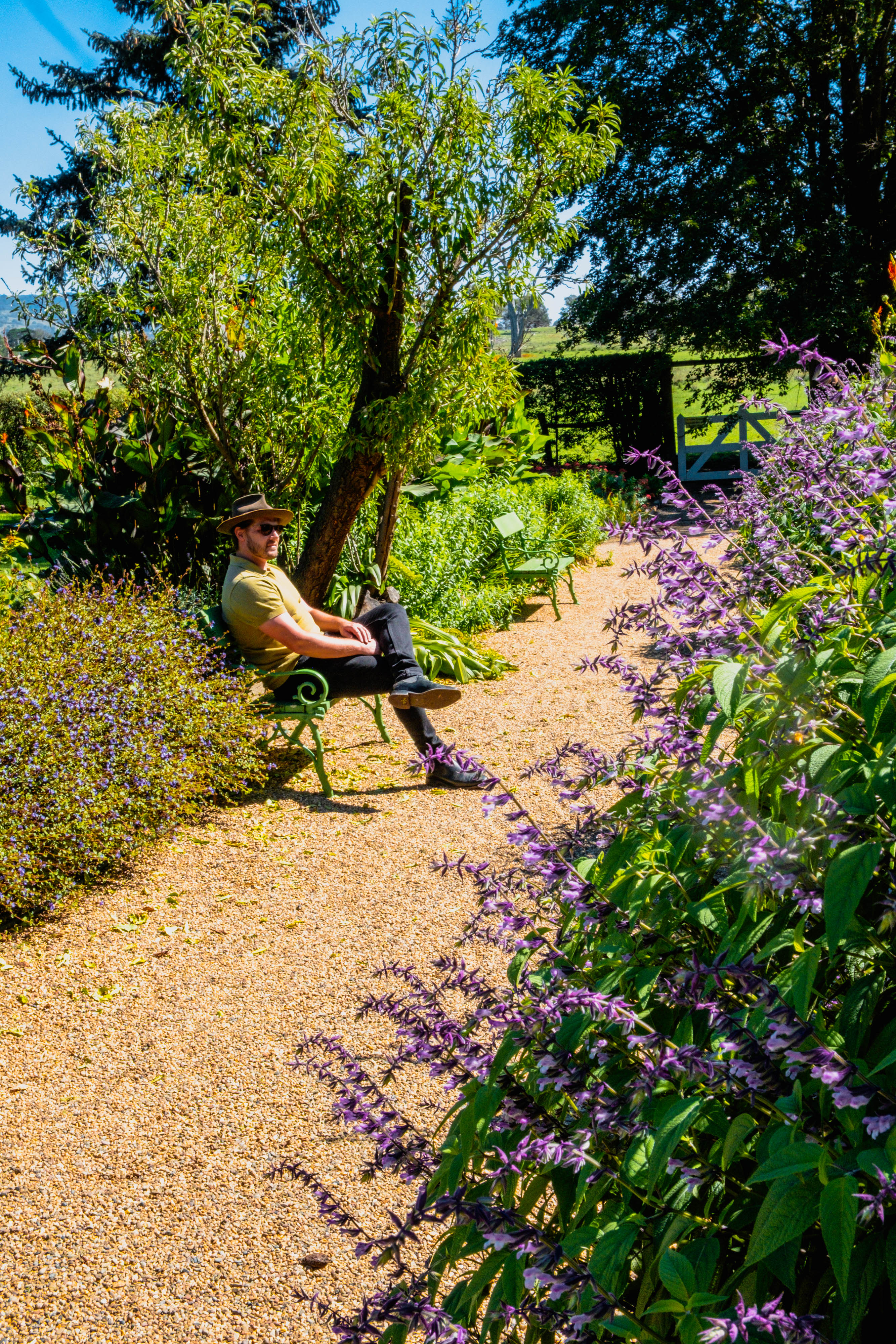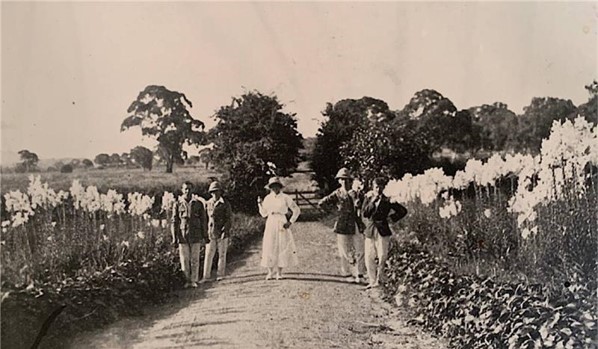
The Lily Walk at Lanyon, 1918
When I first began researching the gardens and grounds of Lanyon Homestead, I expected to be working with an established historic site that followed a clear narrative. Instead, what I found was far more complex; a landscape layered with overlapping histories, and at times, conflicting narratives. Across numerous eras in Lanyon’s history, the gardens and grounds have been continuously reshaped. What appears today as a cohesive historic landscape is the result of ongoing change.
One of the most challenging parts of the research was answering what initially seemed to be the simplest questions:
Who planted this and what era was it established?
Trying to uncover and answer these questions meant stepping back in time well beyond Lanyon’s homestead period.
First Nations Heritage
Long before European settlement, the Ngunnawal/ Ngunnawal and Ngambri Peoples managed what is now called Lanyon Bowl. The open landscape that currently exists was not entirely the work of early settlers for pastoral practice, but the result of careful land management through fire-stick farming.
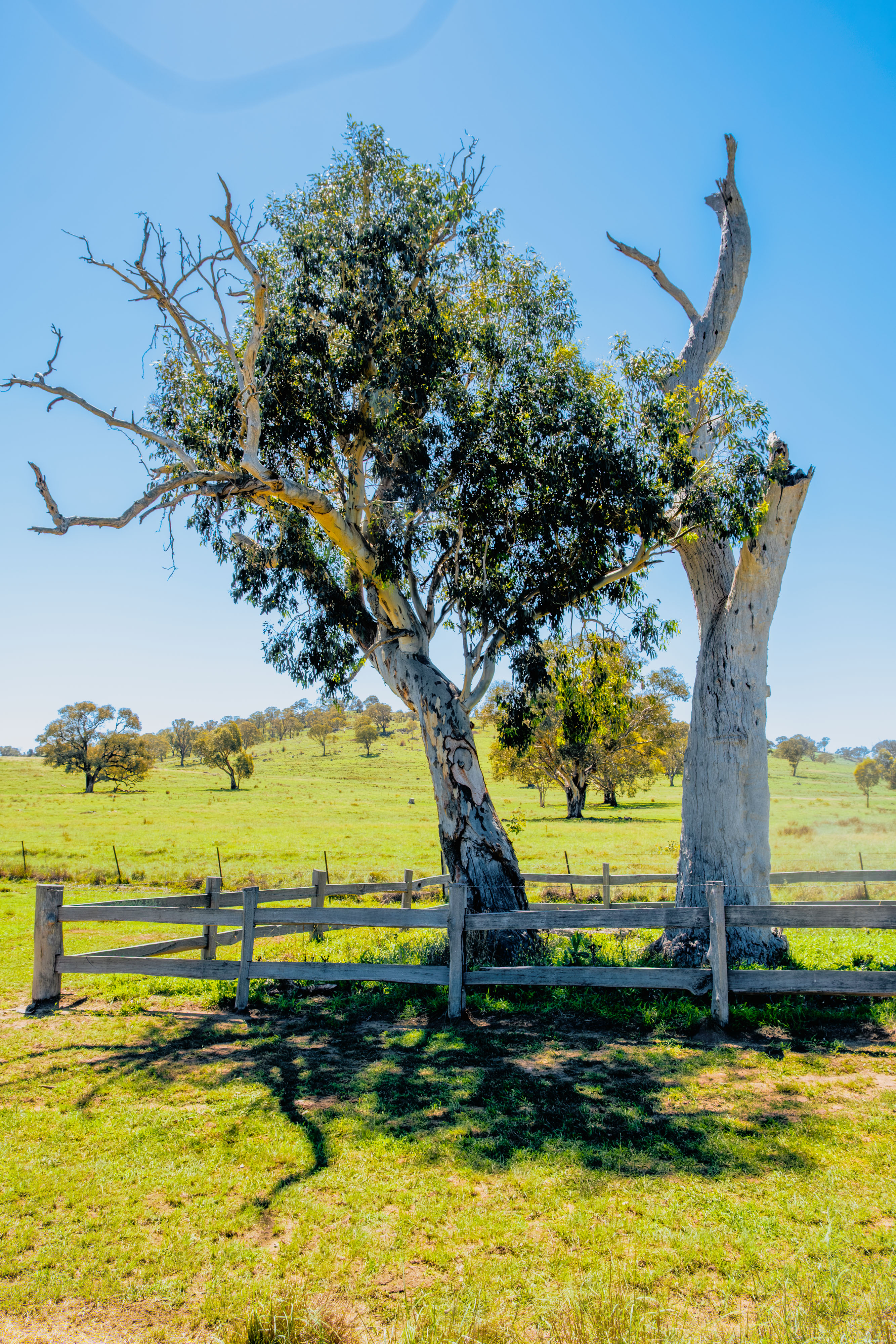
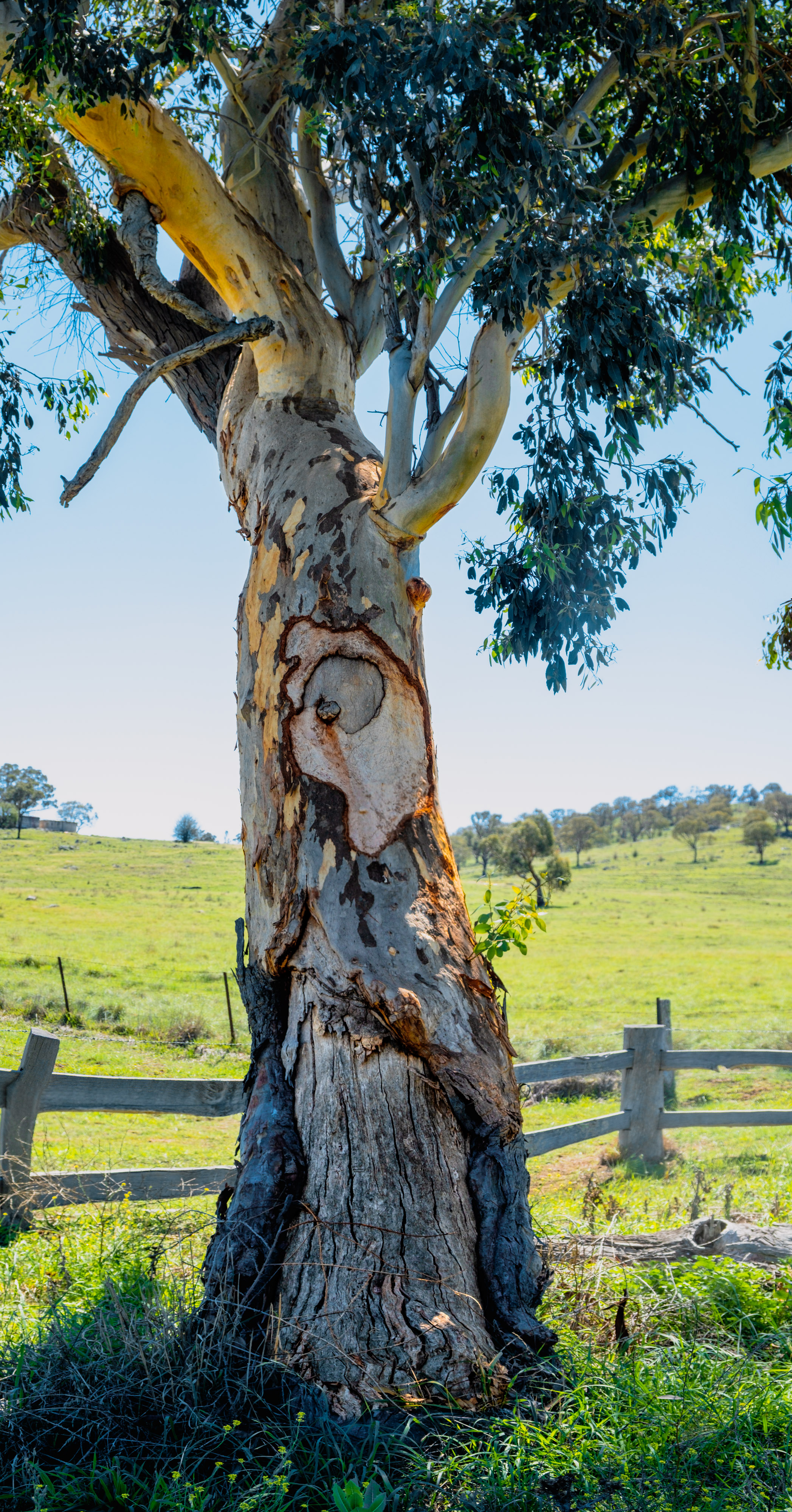
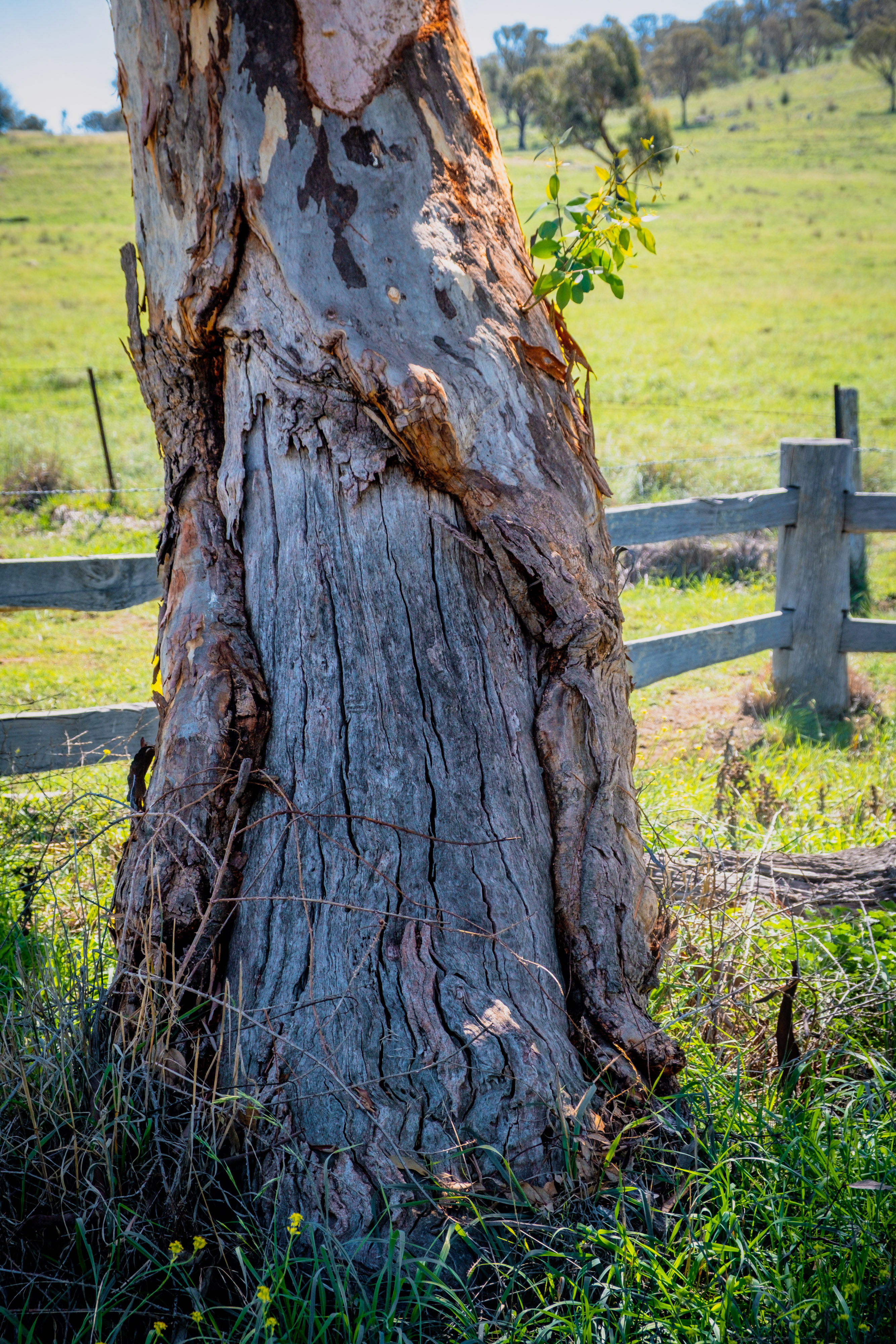
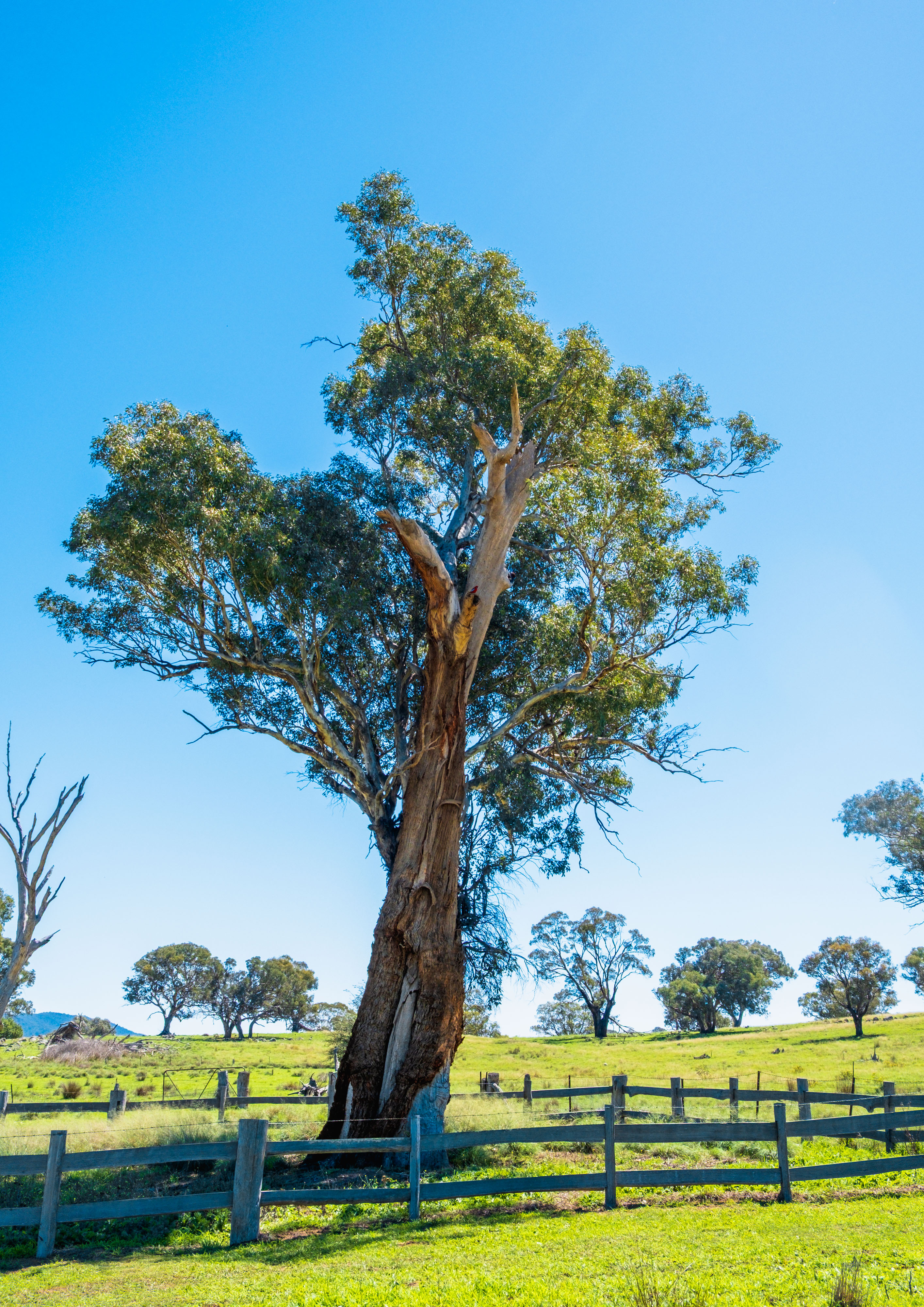
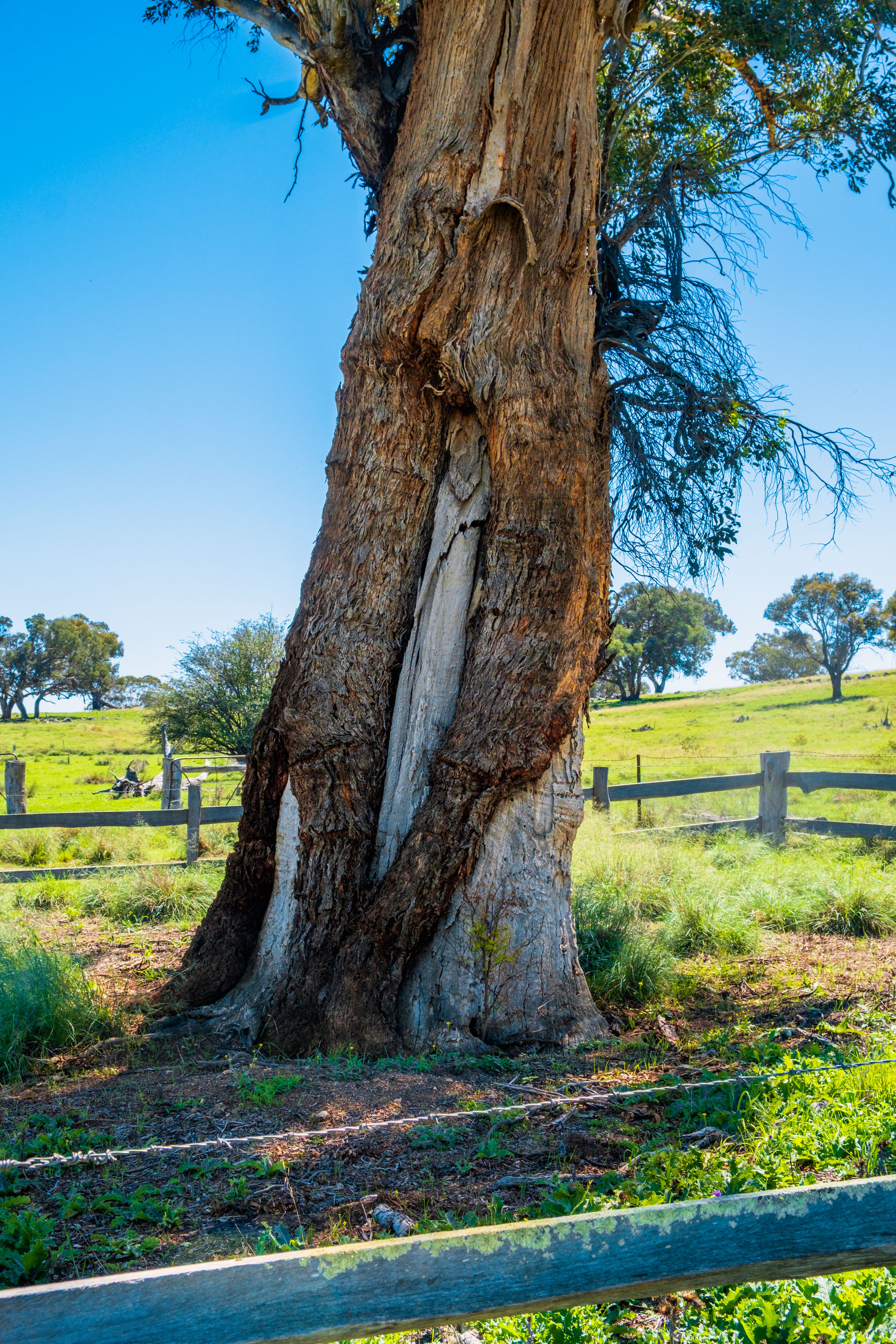
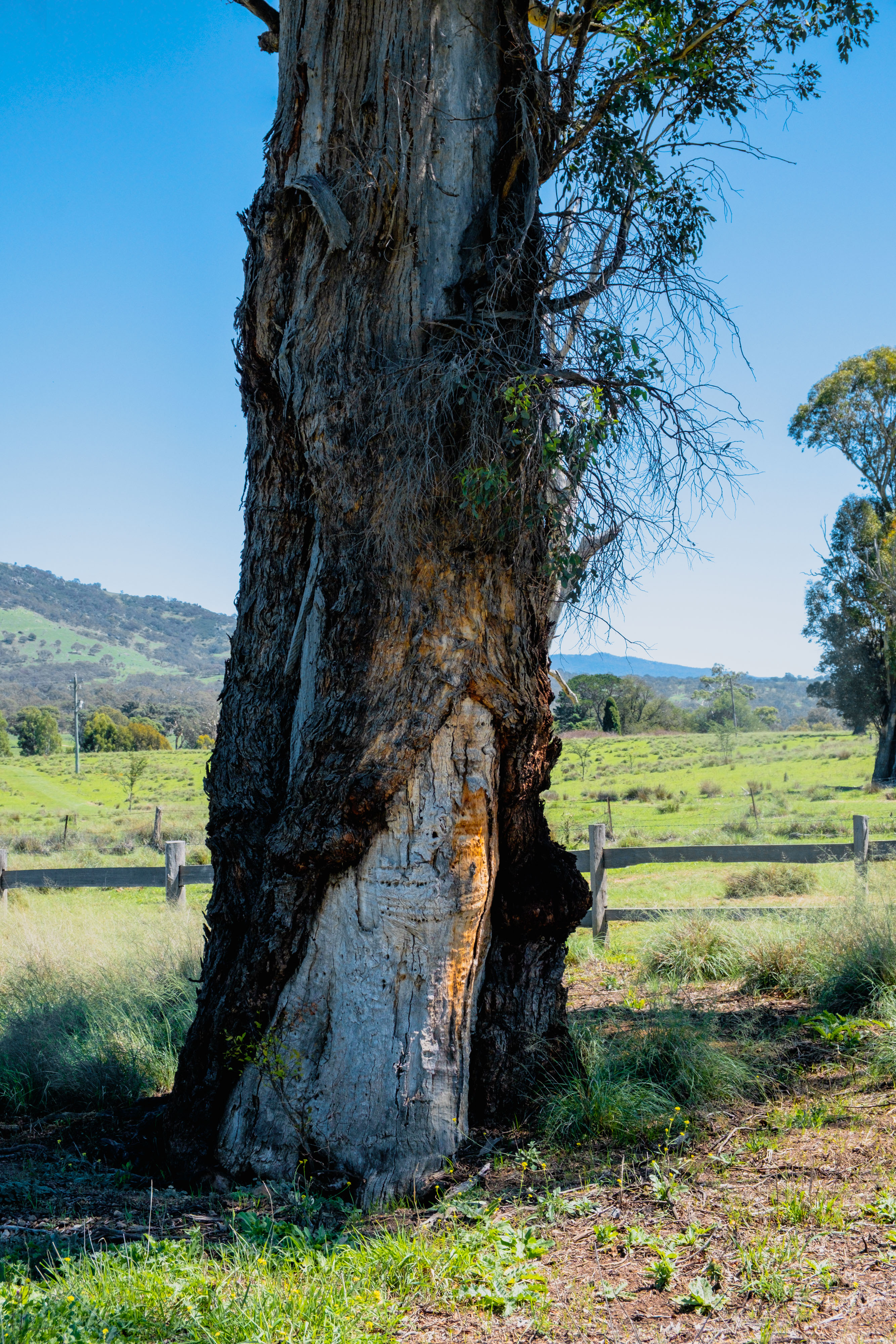
Documented Shield, Canoe and scarred trees are still present within the Lanyon landscape and are living markers of First Nations cultural practice. The scars were created by using sharpened stones to cut and remove a portion of the tree’s bark to be used as shields, canoes, and coolamons (carrying containers). This is carried out in a way that does not harm the tree, allowing it to continue growing.
Wright Era (1833–1848)
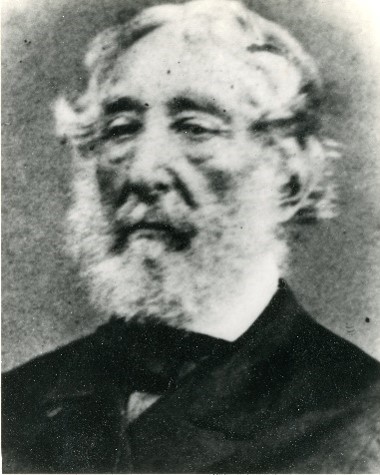
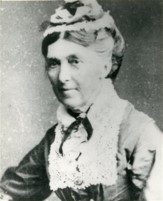
Gardening at Lanyon during the Wright family’s occupation was essential to daily survival rather than ornamental display. The earliest cultivated area contained a vegetable garden and orchard situated between the river and Wright’s slab hut. Kitchen gardens and orchards were maintained largely through convict labour, with James’ wife Mary Wright contributing on a part-time basis. Mary played an active role in organising food production and managing the household’s outdoor working spaces. Gardening was about survival with tasks shared as needed rather than divided into specialised roles.
Cunningham Era (1849–1926)
Under the Cunningham family, garden care continued to be carried out through shared household and station labour. In 1860, Andrew Cunningham advertised in The Golden Age, a Queanbeyan newspaper, for “a good gardener,” indicating a growing recognition of more specialised gardener roles. By 1894, James Cunningham (Andrew’s son) had established an annual chrysanthemum show in Queanbeyan, demonstrating how horticulture extended beyond necessity into artistic expression. Roses and dahlias, alongside fruit and vegetables, were all exhibited and judged. Today, the garden team at Lanyon continues that tradition, growing and maintaining the same types of flowering plants for display and seasonal events.
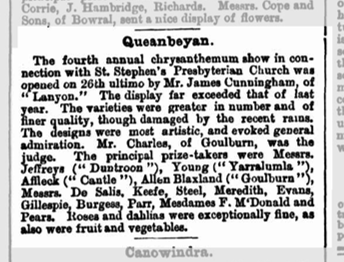
The Sydney Mail, 1894
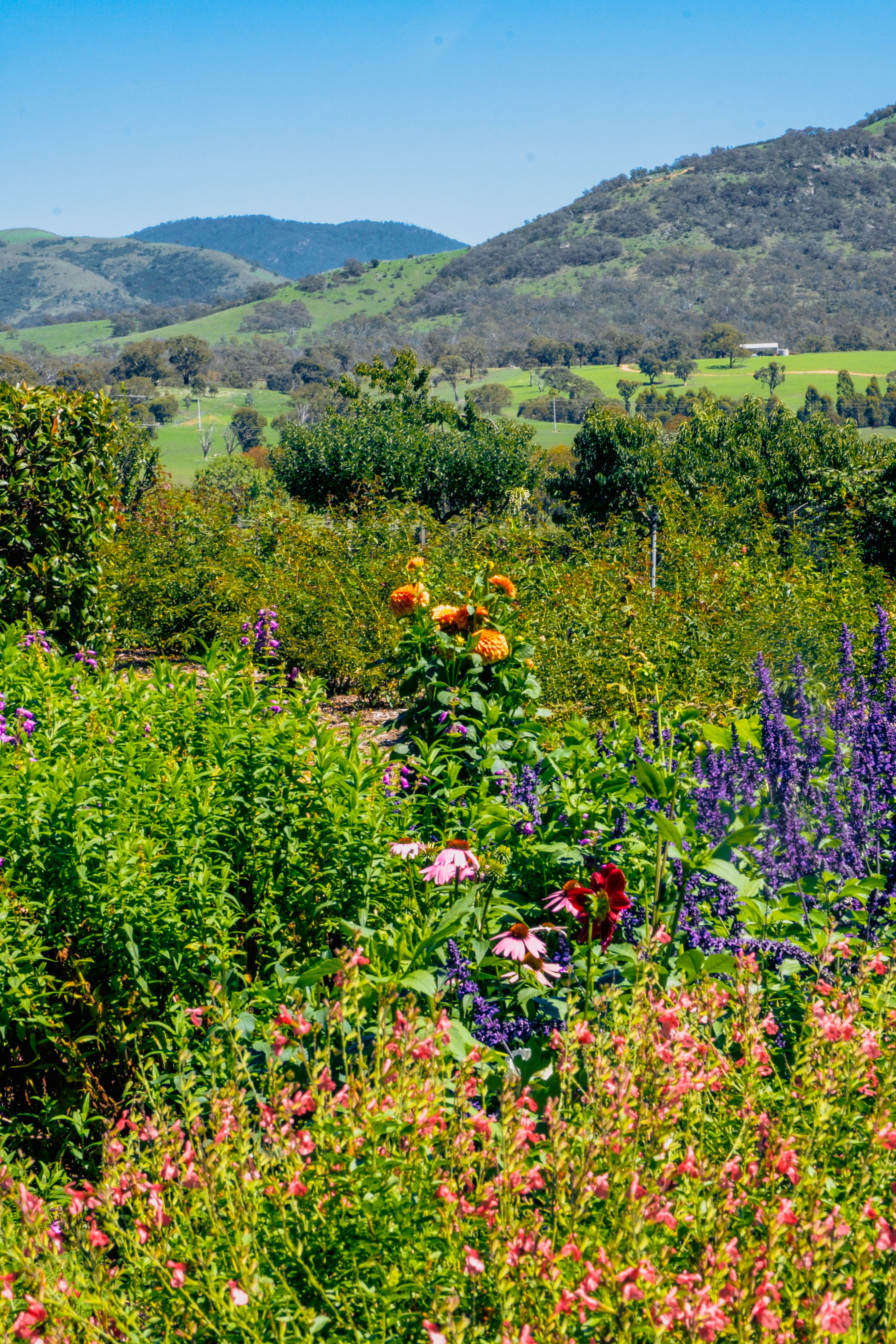
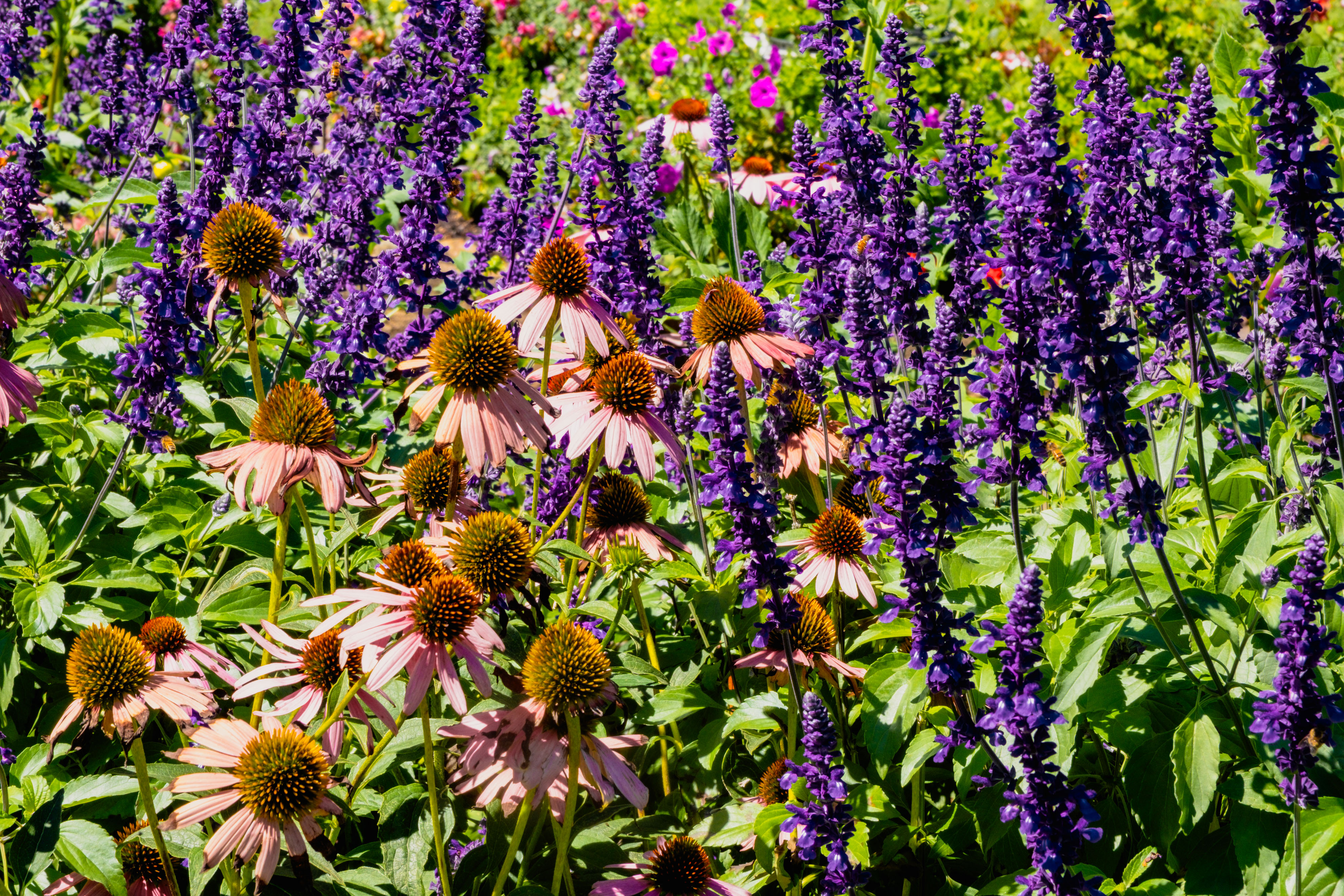
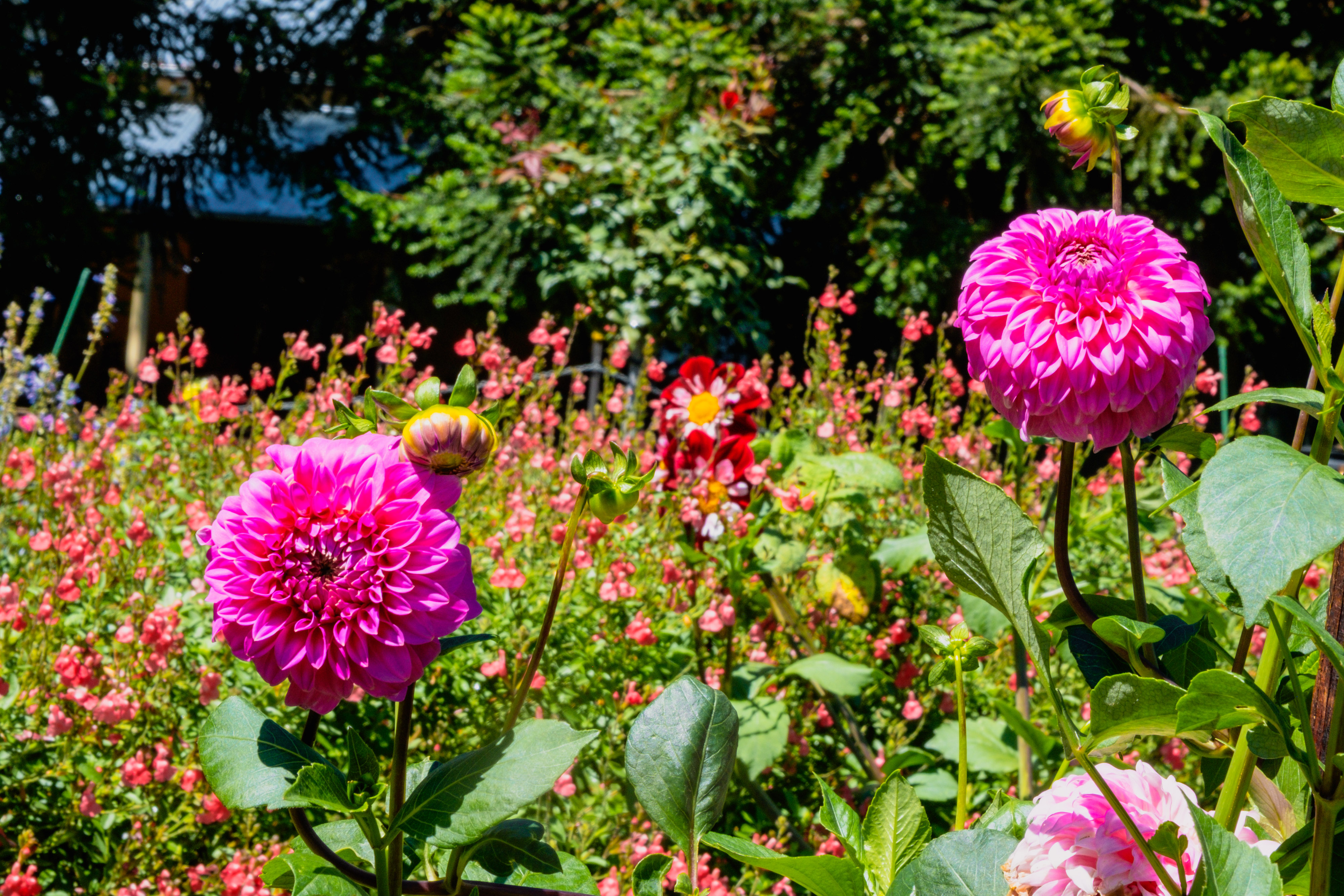
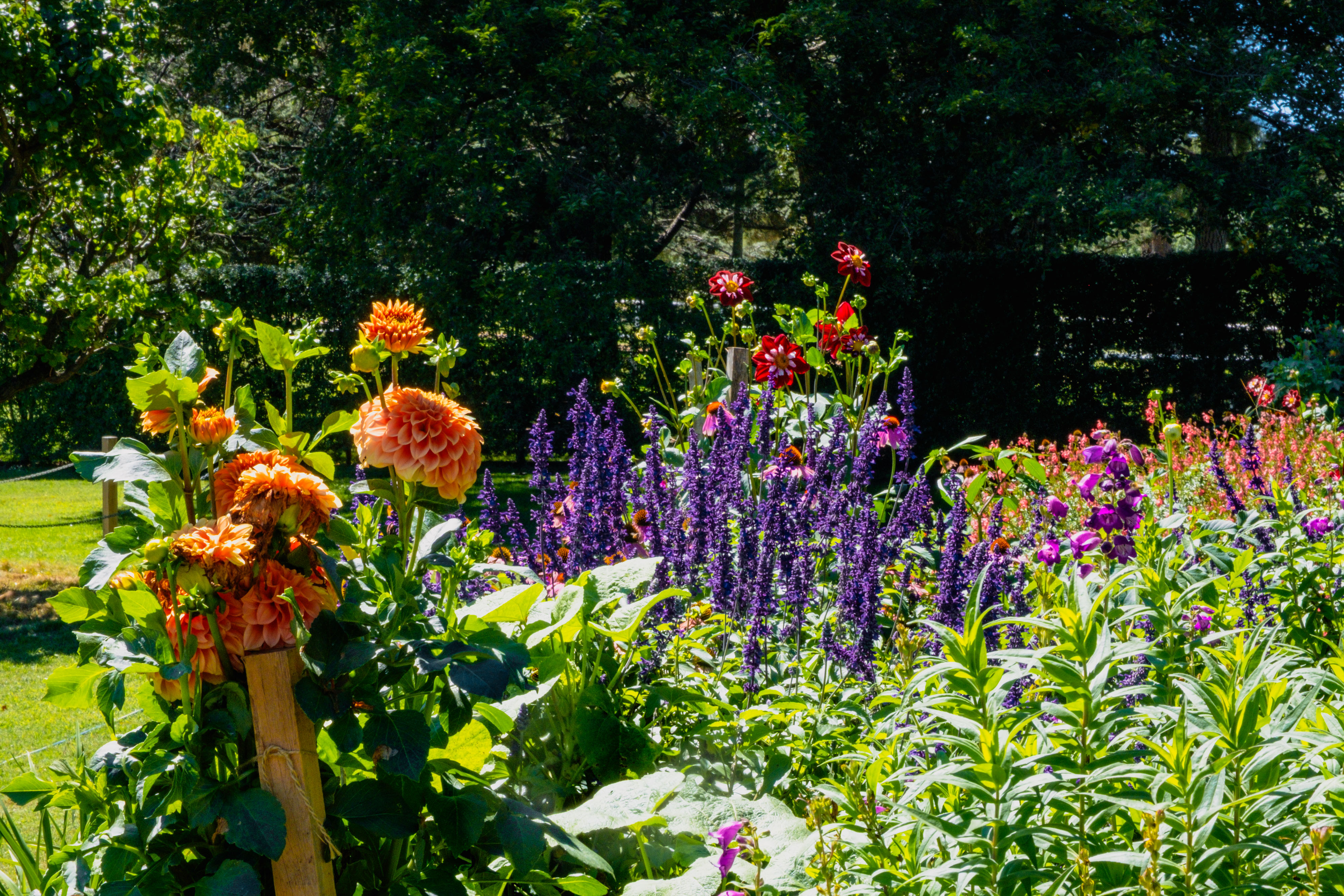
The Cunninghams were also responsible for major tree plantings, the Lily Walk, orchards, Bunya pines, Weston’s almond plantings, roses and lawns.
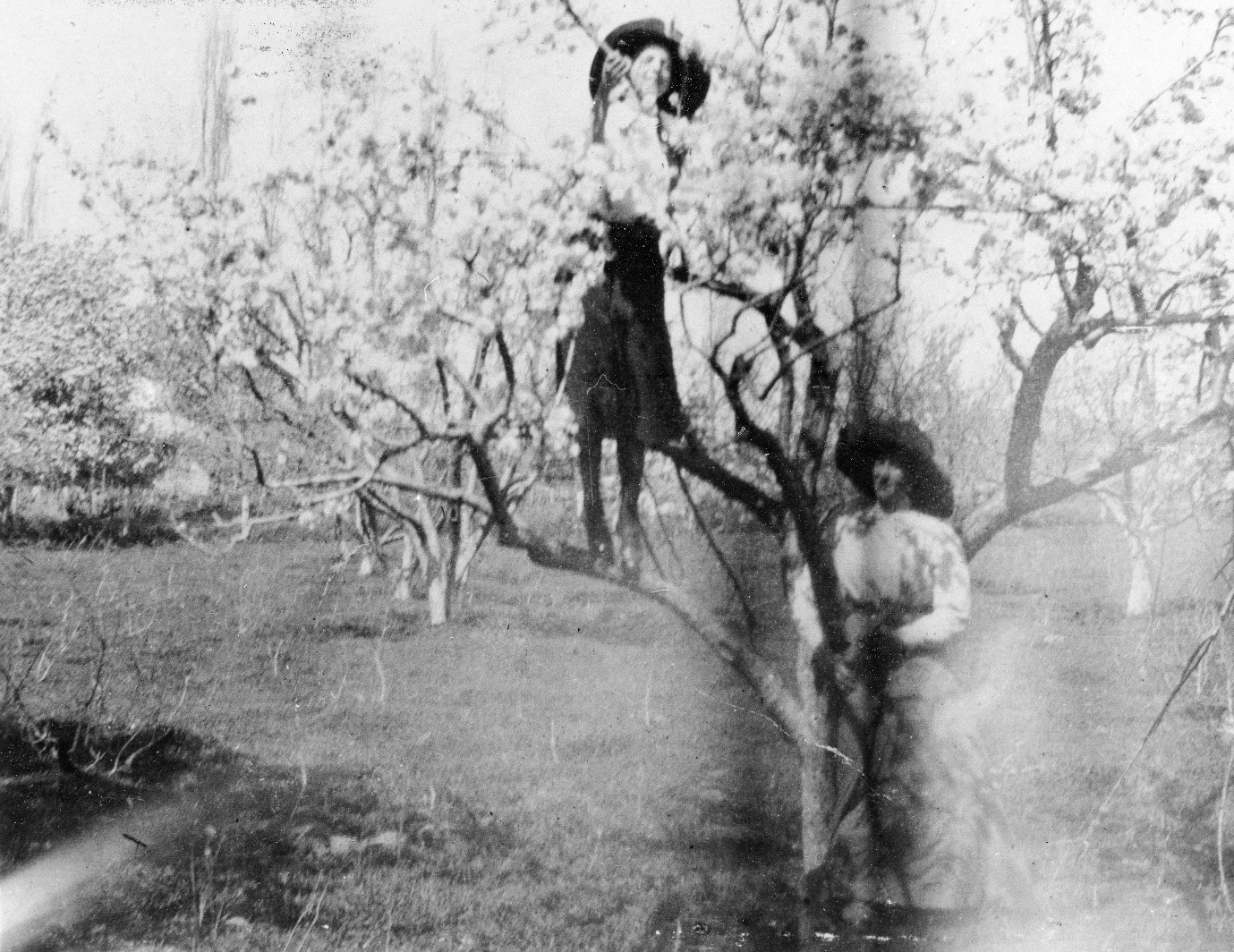
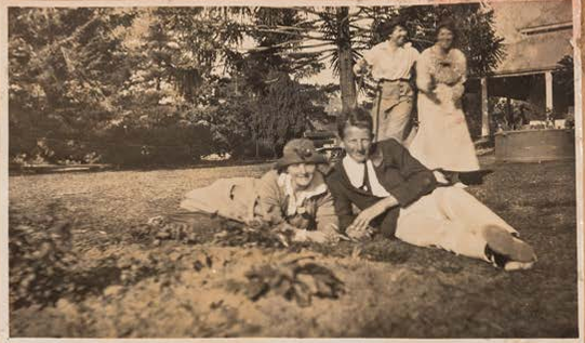
Left to right: presumed to be Unity Cunningham, Peggy Cuningham in the original orchard garden, c1910.
.jpg)
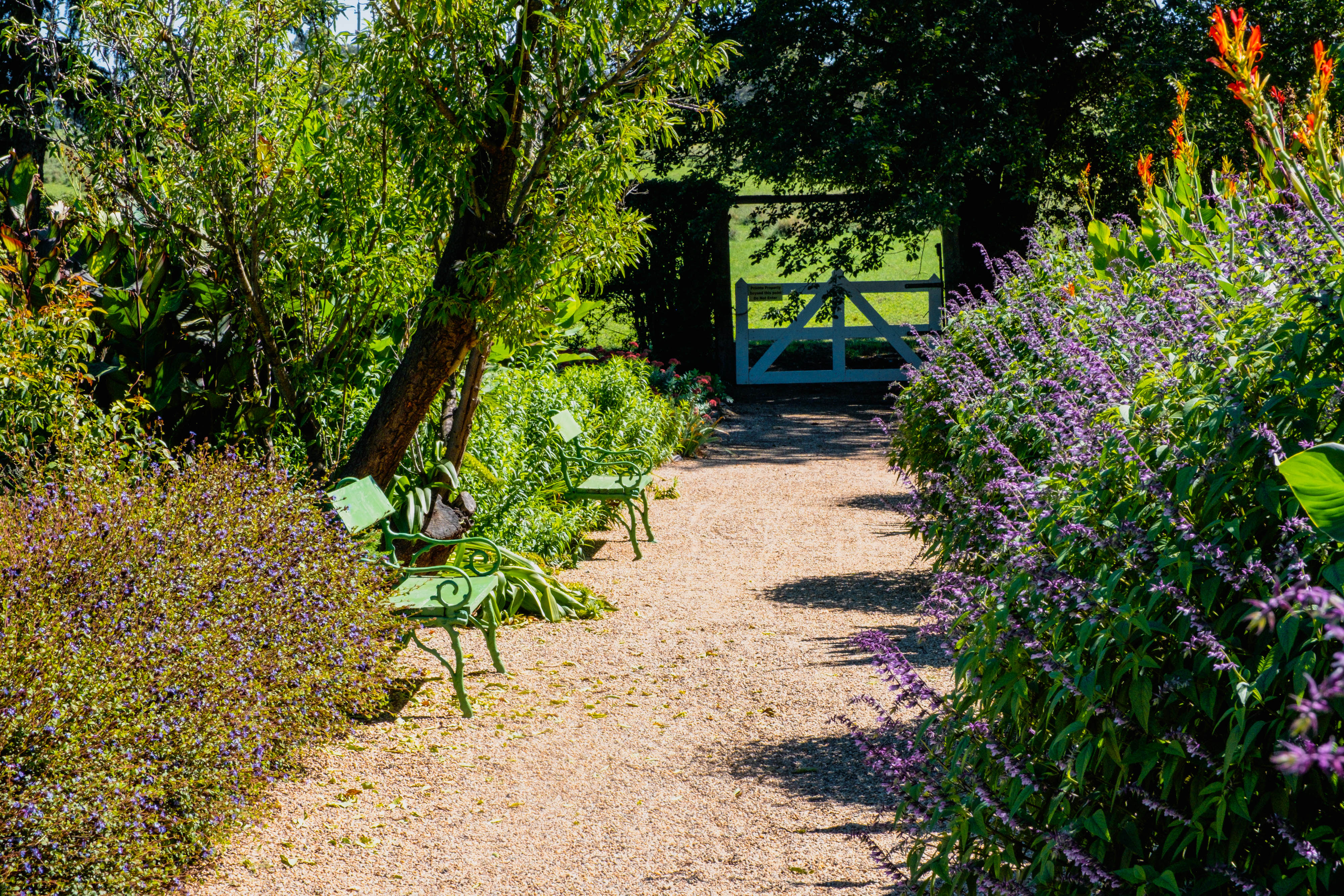
Rather than being a decorative garden feature, the Lily Walk functioned as the original entrance and formal arrival avenue, showing us how visitors, workers and residents once interacted with Lanyon. The Walk is inherently named after the lilies, but also was lined with rows of strawberries and ornamental plantings. Like many heritage gardens, the species and layout have gradually changed over time.
Bunya Pines and Lanyon Homestead in the background, 1916
Two Australian native Bunya Pines (Araucaria bidwillii) were planted between 1870-1880 by Jane Cunningham, and the adjacent lawns were used for picnics and recreational activities such as croquet. The Bunya Pines are now among the largest trees at Lanyon.
One of the most useful sources were the historical photographs, over 100 years old, which helped me make informed decisions about what the gardens looked like. In many cases, they became just as important as written records, where documentation was either unclear or conflicting, the images offered something direct and factual.
Weston’s Almond Plantings
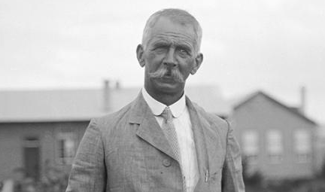
Charles Weston at Yarralumla nursery, 1921 - 1931 Image courtesy of the National Archives of Australia. NAA: A3560, 23
Charles Weston’s successful ‘greening’ of Canberra in its foundation days (1911-1926) contributed to the creation of Canberra as a city in the landscape. Using Weston’s records, almond seeds were collected from two trees at Tuggeranong Homestead in 1917. These seeds were propagated at Yarralumla nursery and in 1920, Mary Cunningham, now living at Lanyon Homestead, received 12 seedlings grown from those original seeds.
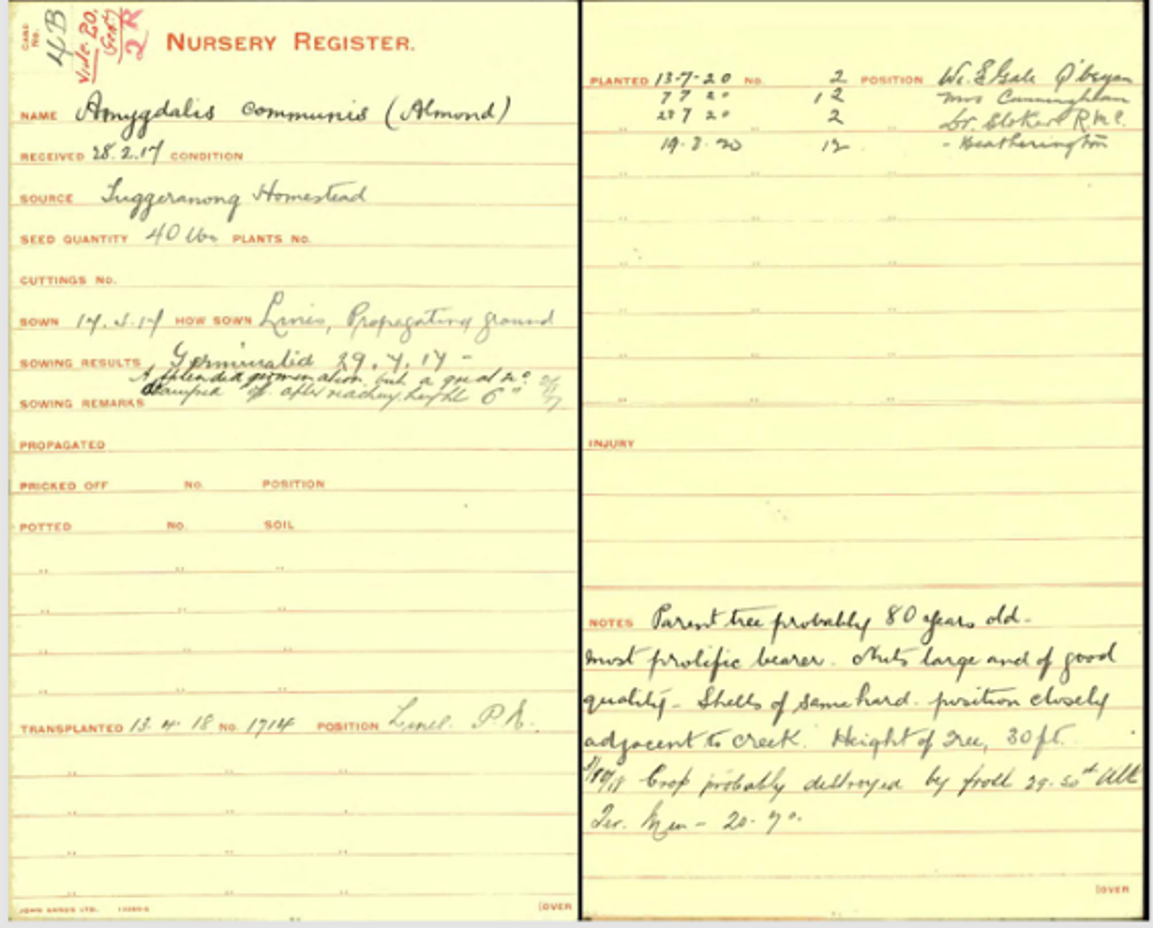
Charles Weston’s propagation record, 1917. Weston notes that the parent tree is around 80 years old. Image courtesy of the National Archives of Australia
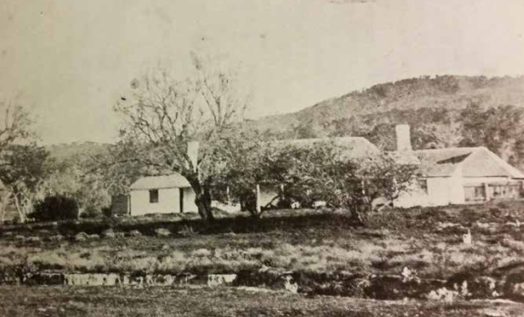
Original almond trees from Tuggeranong Homestead used for propagation, c1890s. Image courtesy of Jenny Horsfield
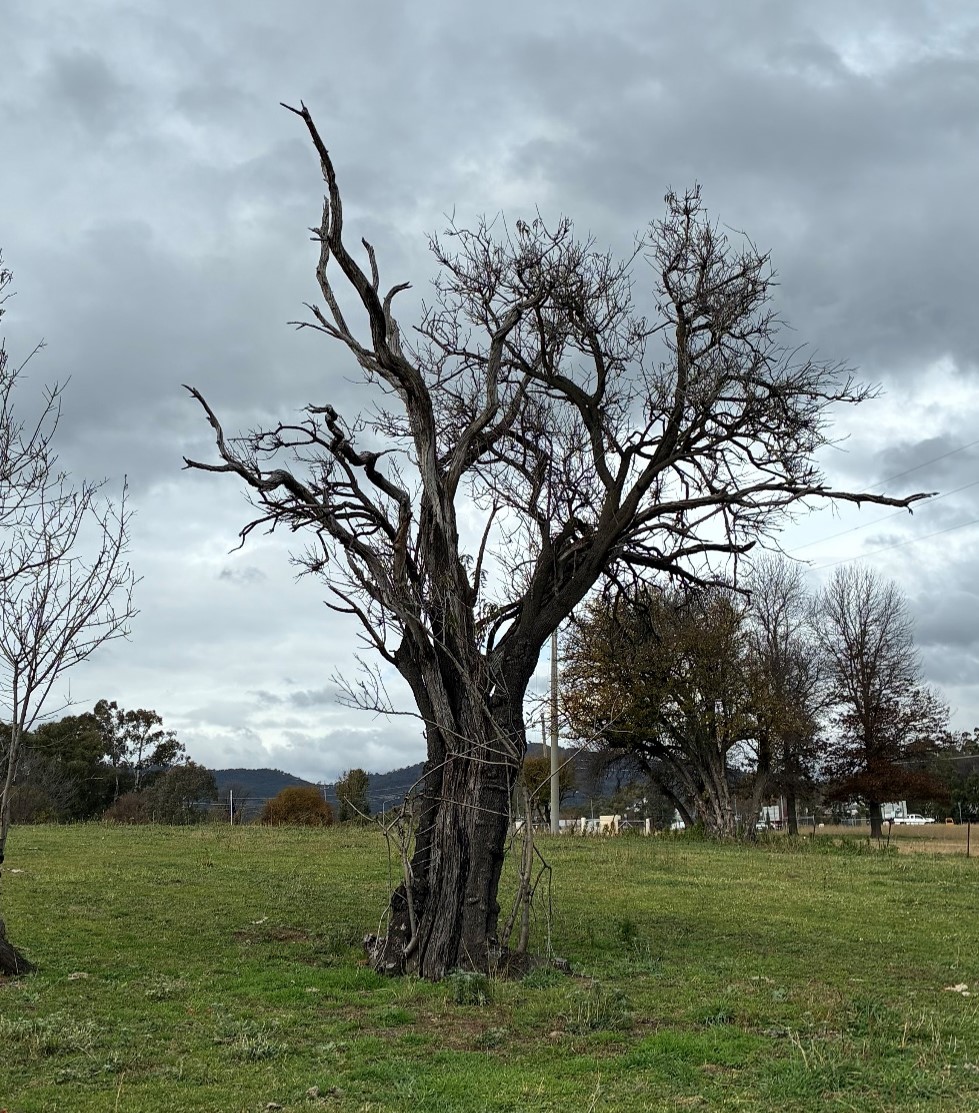
Image of the remaining almond tree at Tuggeranong Homestead, 2026
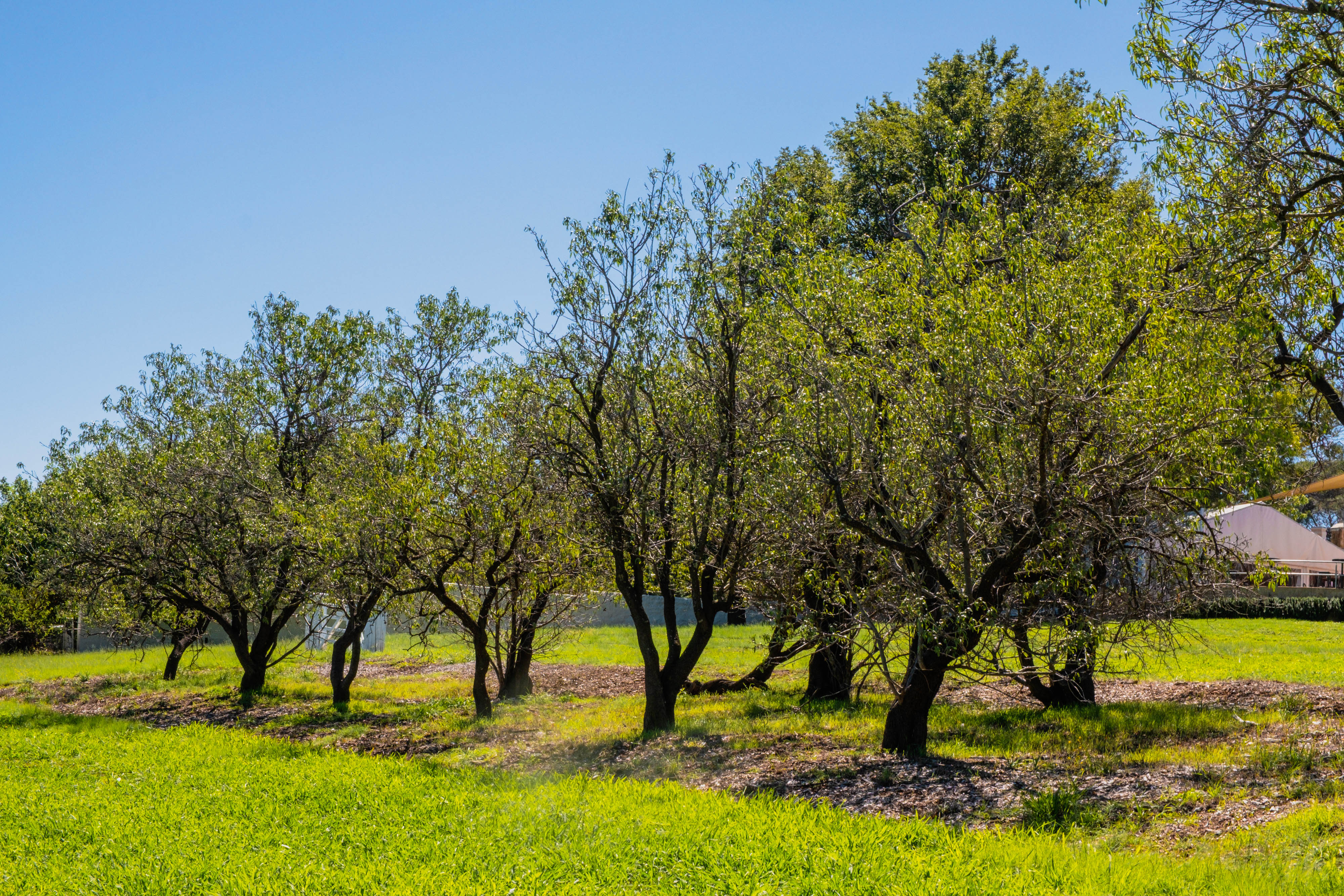
Existing Almond grove at Lanyon, 2026
It is difficult to confirm whether the almond trees currently at Lanyon are part of Mary’s original planting. I discovered through oral histories that the existing grove is more likely a replanting from the 1950s, rather than the original trees planted by Mary Cunningham. Future tests, such as core sampling, could help better determine their age and clarify their connection to the earlier plantings.
Wisteria
Located at the front entrance of the homestead building, this wisteria was planted by Jane Cunningham during the late 1800s. Historical photos from the c1908 clearly show the much younger wisteria beginning to wind around the purpose-built pergola.
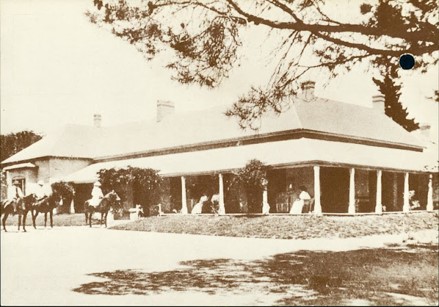
Lanyon Homestead, c1908
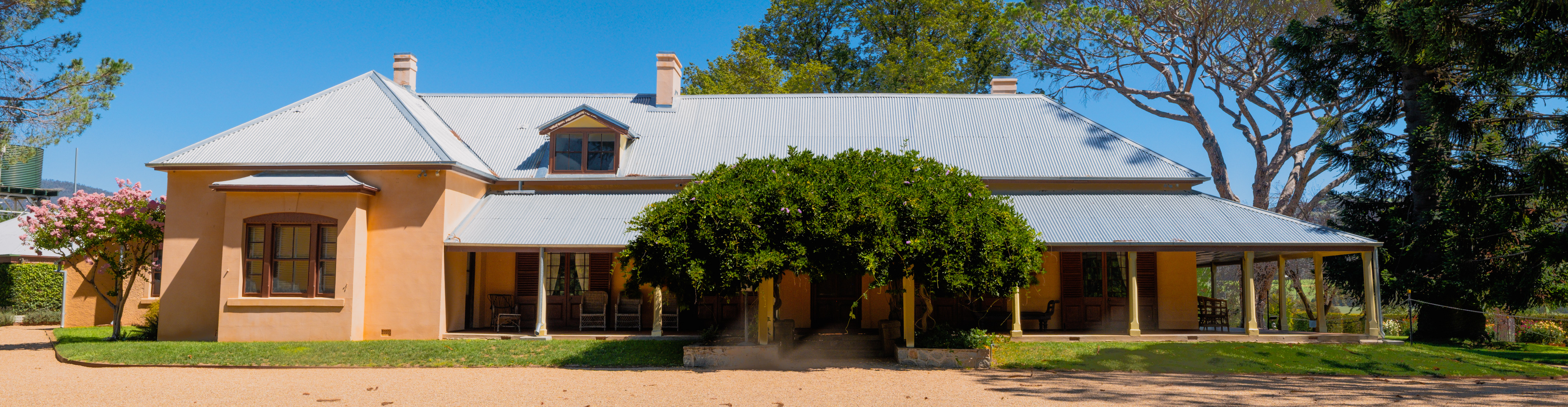
Lanyon Homestead, 2026
Field Era (1930–1971)
The Field era marks a transition toward documented garden workers. Members of the Field family were actively involved in shaping garden areas, particularly during the significant garden work of the 1940s, when the garden was expanded and terraced to the west of the house. During the Field family’s occupation, Lanyon underwent a shift from a primarily pastoral homestead to a country residence with a domesticated ornamental garden aesthetic. The Fields had also employed specialist gardener George Nano, a Macedonian immigrant who worked at Lanyon from1932-37. During the 1960s, Danish landscape gardener Paul Sorensen was responsible for the creation of the Pinus radiata plantation located on the lower ground east of the former Nolan Gallery building.
Vegetable Gardens
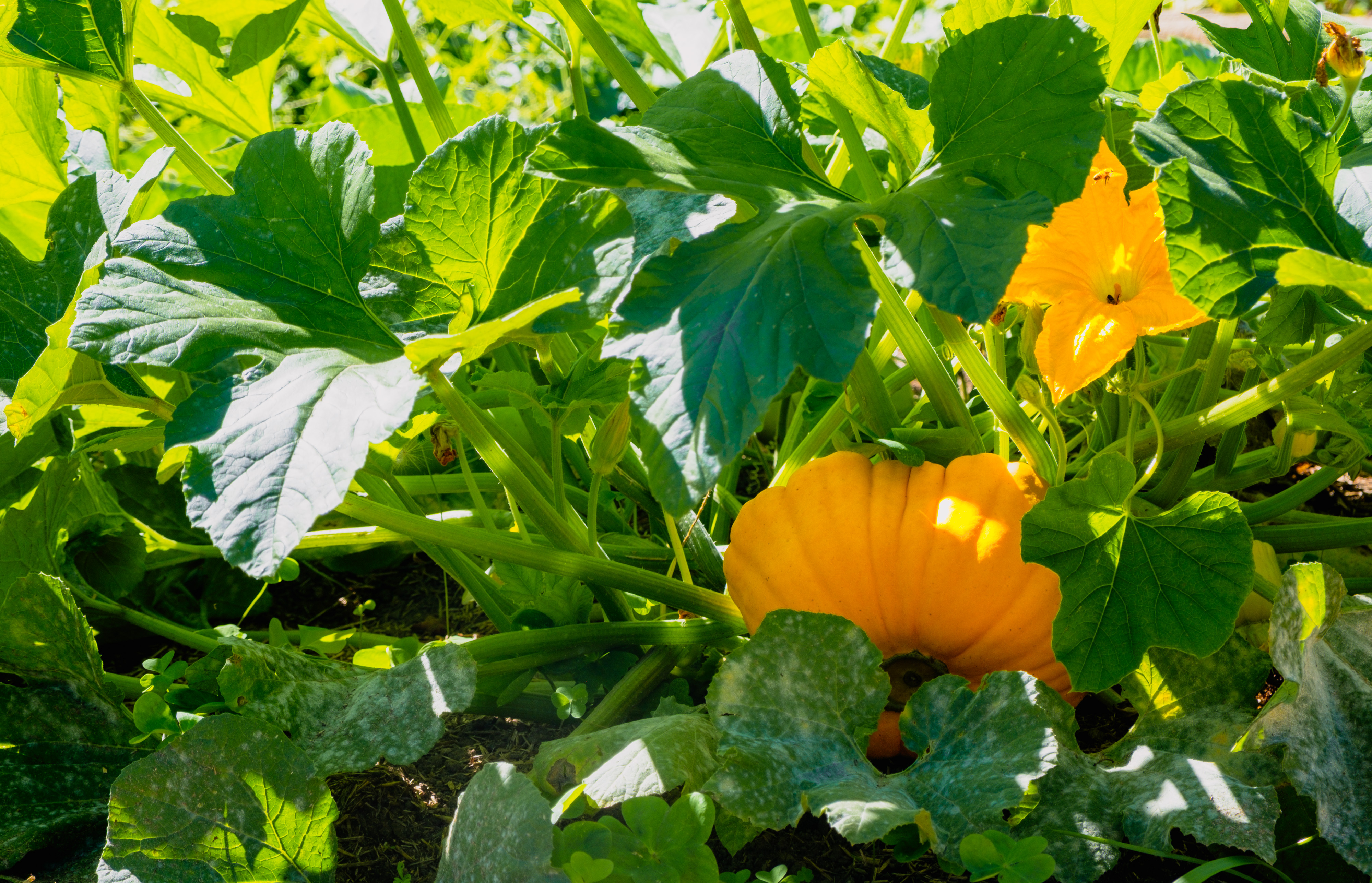
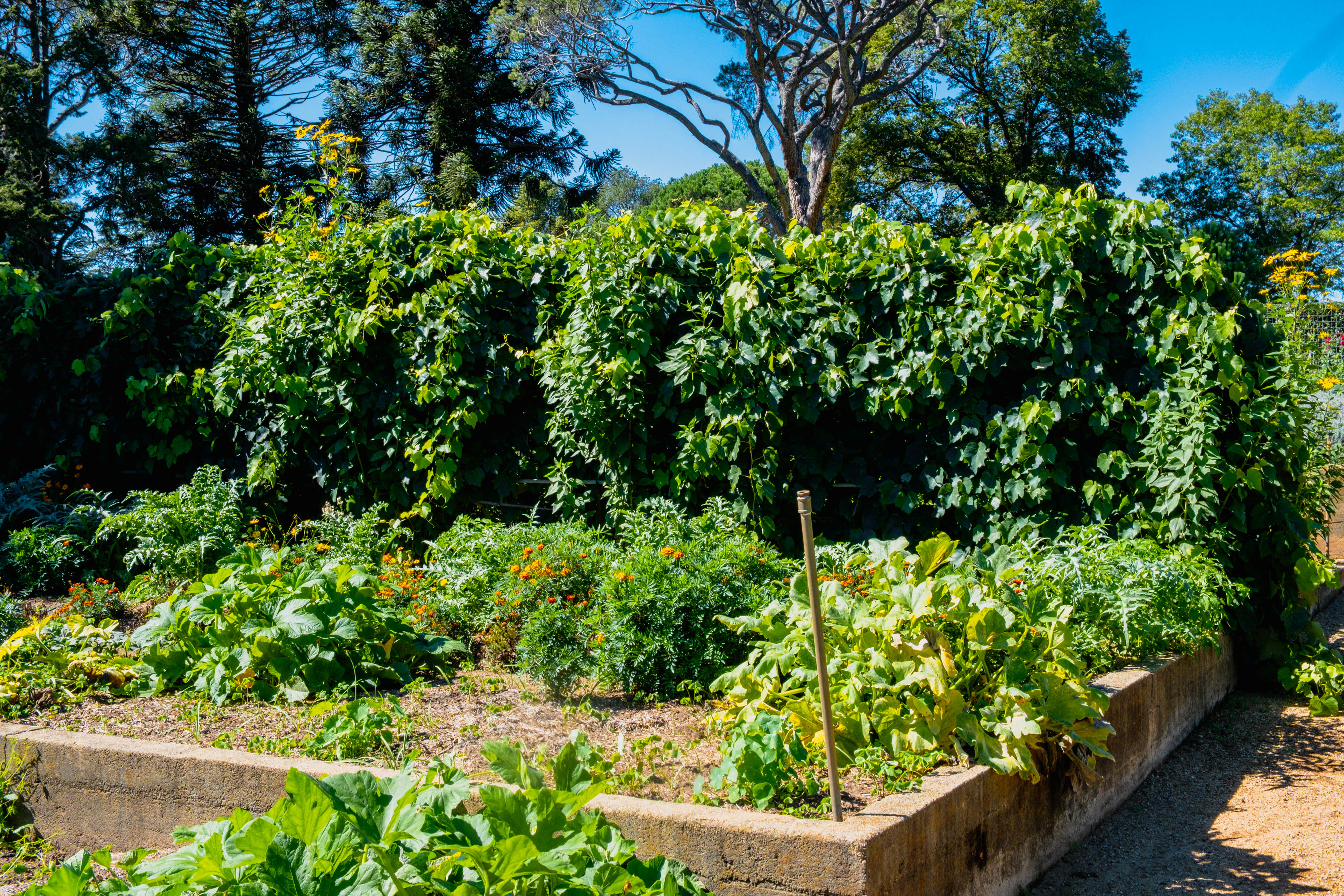
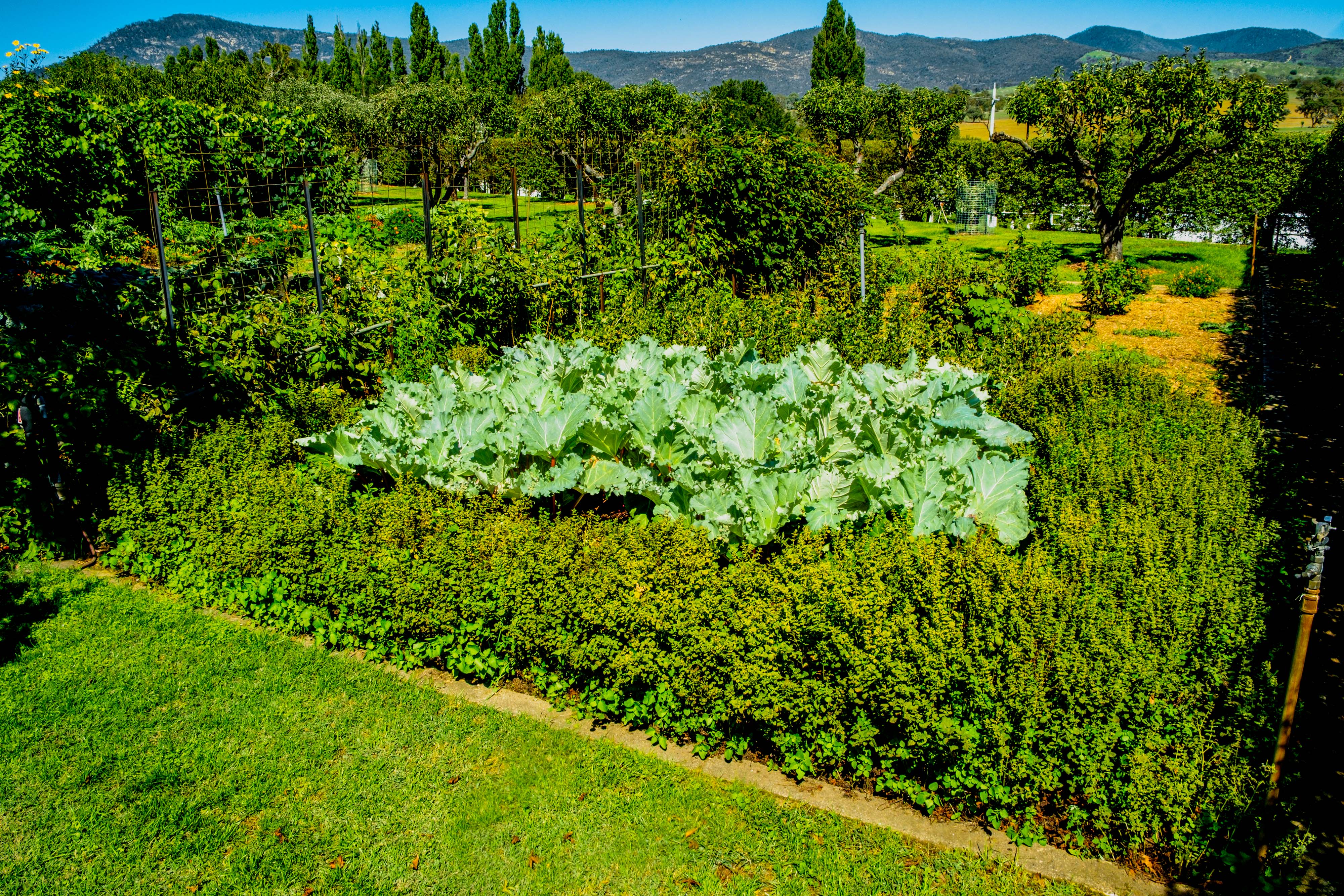
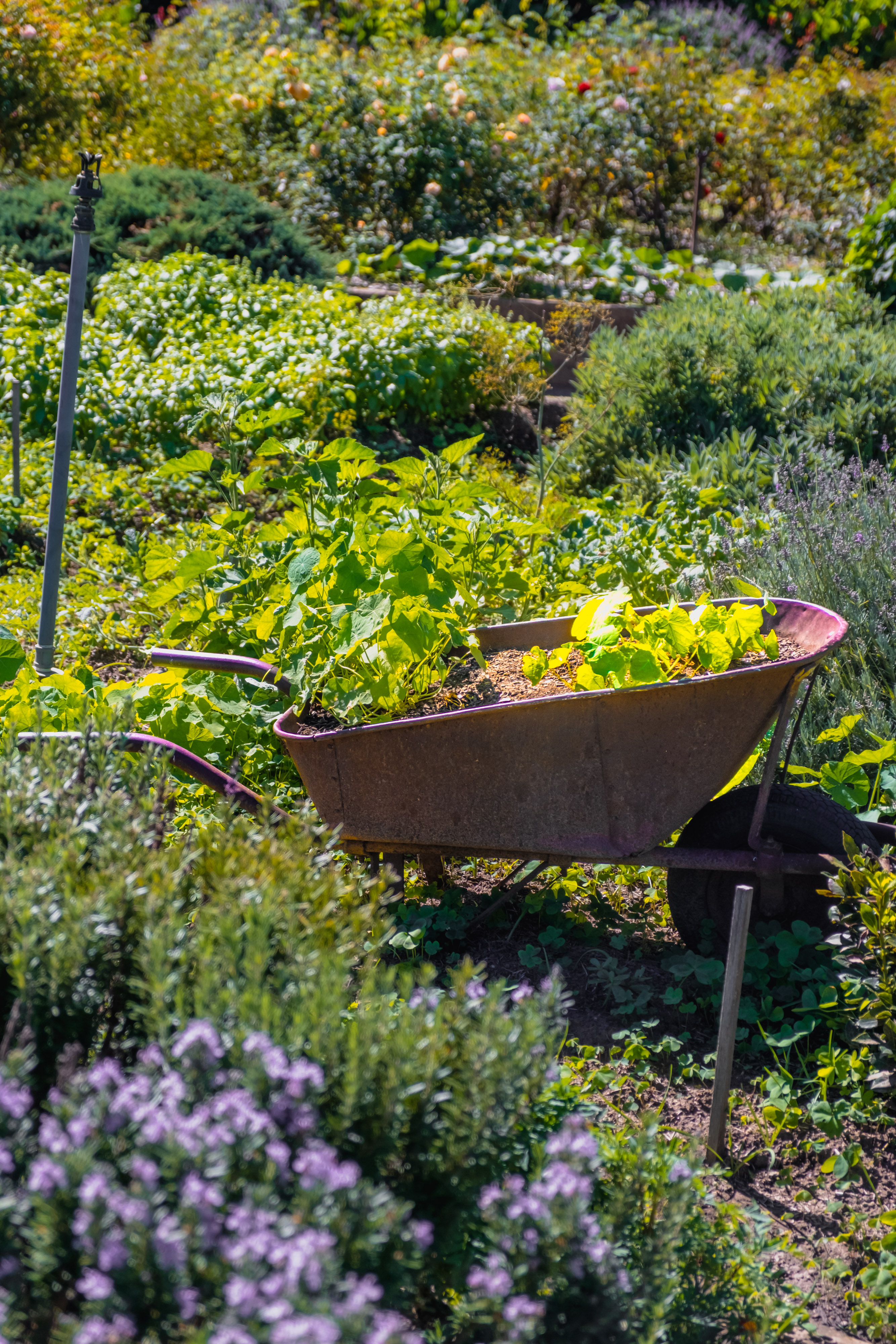
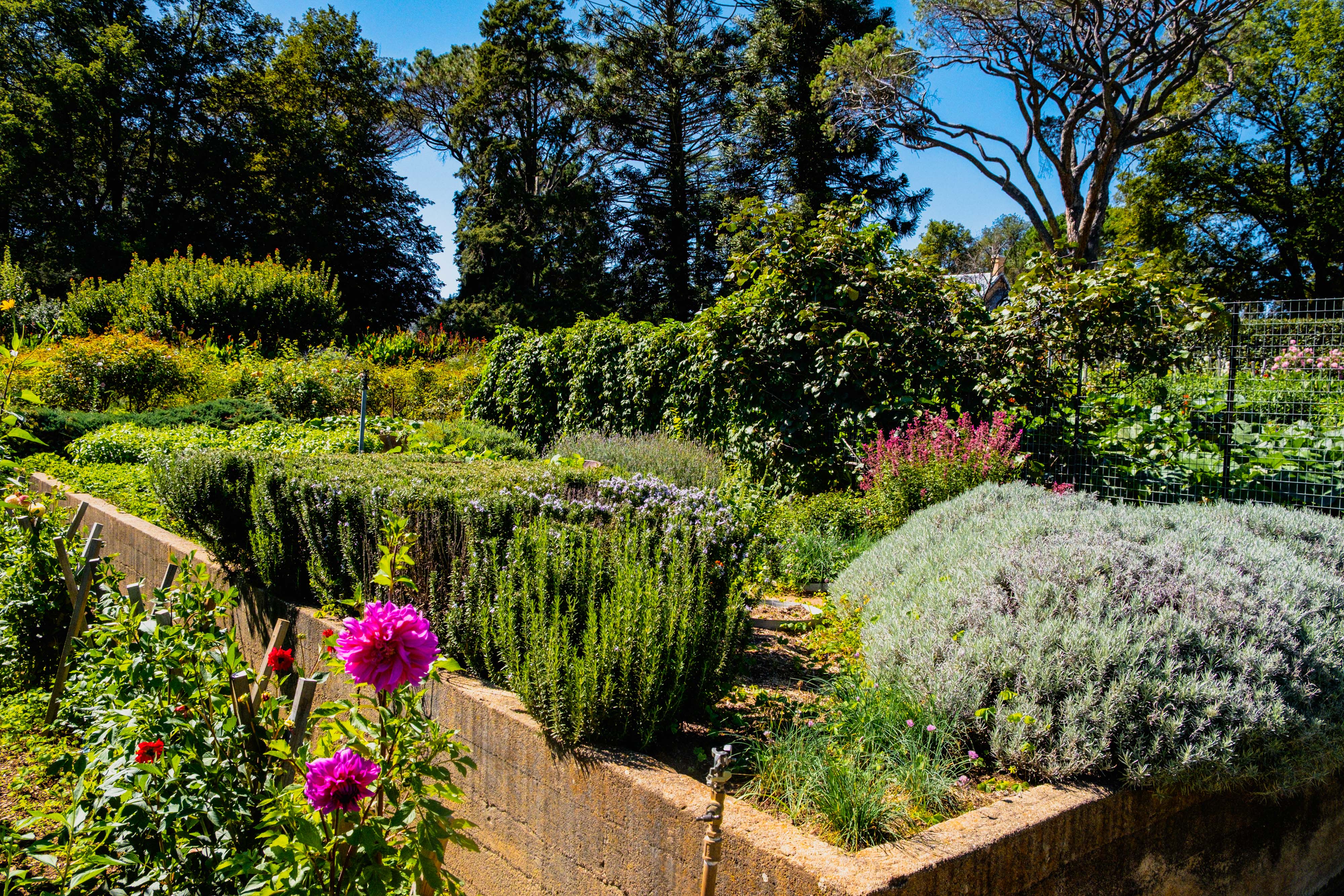
While vegetable gardening had occurred at Lanyon from first colonial occupation, these clearly defined concrete terraced vegetable gardens date to the Field family era, when fertile river soil was carted up by horse and dray to form the new beds. Aligning with wartime conditions during World War II, the Field family expanded and reorganised vegetable production in response to the government’s expectations that Australian households grow their own vegetables and the family created a self‑sufficient homestead. Some of the vegetables the gardening team are currently growing include beetroot, peas, cauliflower and broccoli.
Commonwealth Government Acquisition (1974)
After being acquired by the Commonwealth Government, Lanyon was opened to the public as a historic property in 1975. Resources and priorities shifted labour to focus on grounds care and maintenance (lawns, trees, paths). This period marked the transition from ‘private homestead care’ to managing heritage through thoughtful conservation and interpretation. Lanyon offers members of the public First Nations cultural programs such as ‘Indigenous Plants Use and Tradional Tools’ and Dhawura tours.
NAIDOC Week TalkThis research has completely changed how I interpret Lanyon’s history. The gardens are not necessarily where the story begins. They are one layer within a much deeper, ongoing story of First Nations cultural heritage, with a landscape shaped over thousands of years.
What appears today as a quiet, orderly garden, is a record of constant change, with evidence of the different people who shaped and left their mark on the same ground. It was fascinating to notice the function of the gardens gradually shifting from ‘self-sufficiency and survival’ to ‘aesthetically pleasing and ornamental.’ As you wander through Lanyon’s gardens and grounds, you are not just moving through a physical space, but through multiple histories layered over time.
The current gardening team are working with that reality by caring for a living collection of heritage trees and garden layouts that have evolved over nearly two centuries. The team continuously faces challenges of conserving Lanyon, while ensuring it continues to be enjoyed by visitors today.
If you would like to explore and learn more about Lanyon’s gardens and grounds, please visit Lanyon Homestead.
Visit Lanyon HomesteadSam Thompson is a cultural heritage researcher who recently undertook a detailed study of the gardens and grounds at Lanyon Homestead. Bringing together archival records, oral histories and the physical landscape, Sam explored how the site has developed across different eras, and how they can still be read today. This blog reflects parts of that process, unpacking the moments where the history of Lanyon was straightforward, and where it wasn’t.